Breast Reduction

Breast reduction, also known as reduction mammaplasty, is a surgical procedure to remove excess fat, skin, and glandular tissue from the breasts to make them smaller, lighter, perkier and more in proportion with your body.
This procedure can also ease the discomfort associated with excessively large breasts, such as neck, back and shoulder pain. Breast reduction is typically performed in combination with a breast lift procedure.
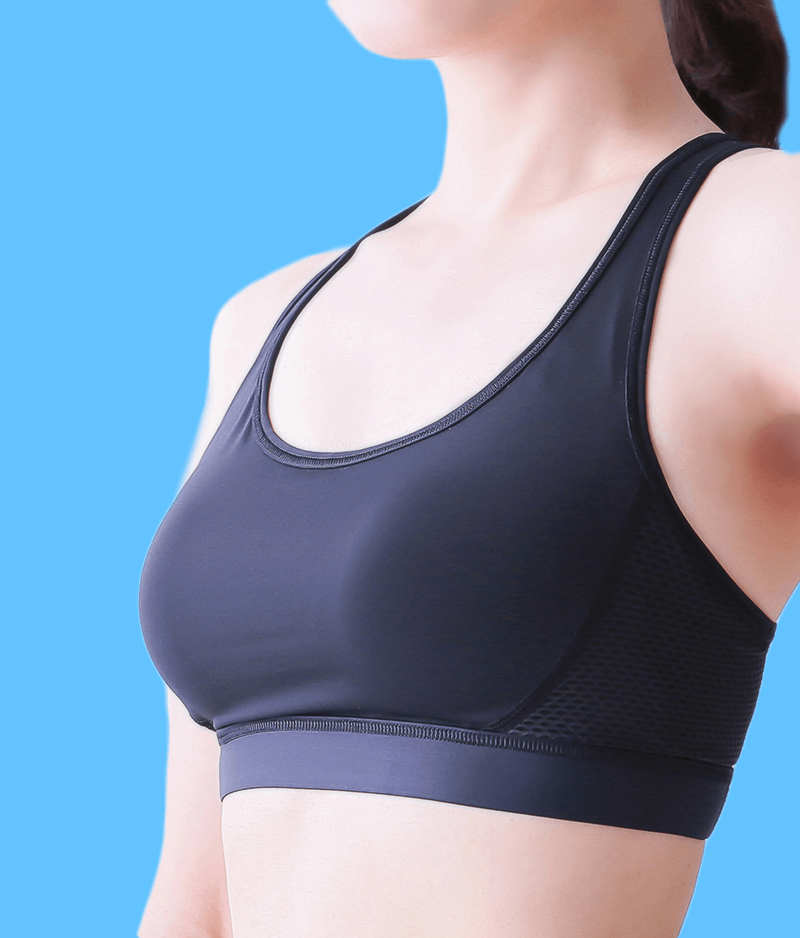
Different approaches for different needs and body types
Breast reduction may be right for you if you are healthy and have realistic expectations

Understanding what to expect during breast reduction surgery
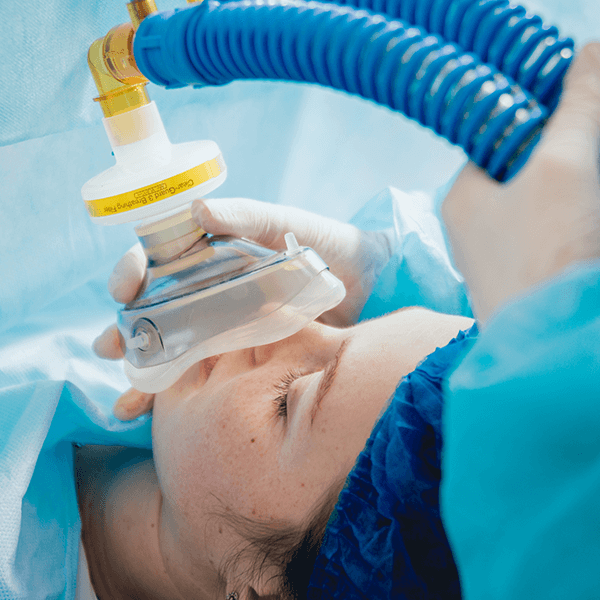
General anesthesia or local anesthesia with sedation is administered for your comfort during the surgical procedure.
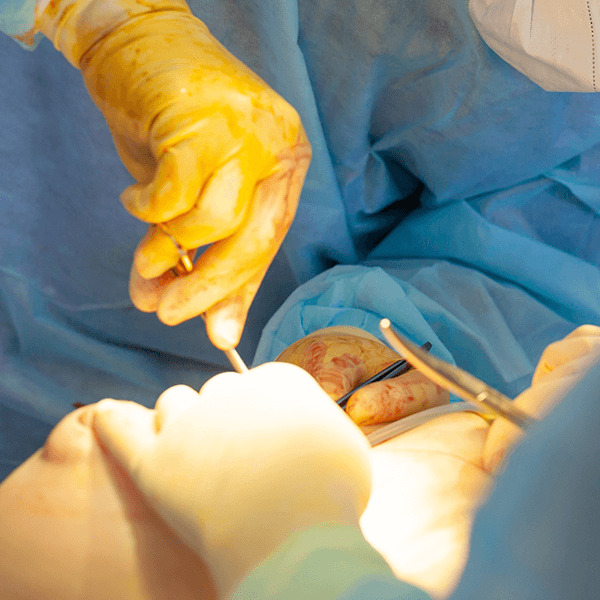
Incision patterns vary depending on the degree of reduction needed. Your surgeon will determine the best approach for your specific case, which may include circular around the areola, vertical from areola to breast crease, and horizontal along the breast crease.
Excess breast tissue, fat, and skin are removed. The nipple and areola are repositioned to a higher position. The remaining tissue is reshaped and the incisions are closed with sutures.
What to expect after your breast reduction surgery
Bandages and dressings will be applied. You may experience swelling and bruising. Pain medication will help manage discomfort. Most patients can return to light activities.
Stitches may be removed. Swelling continues to decrease. You can gradually return to work and normal daily activities. Continue wearing support bra as recommended.
Most swelling has subsided. Scars begin to fade. You can resume strenuous activities and exercise. Final results become more apparent over the following months.
As with any surgery, breast reduction carries some risks