Face Lift

When you get older, gravity negatively affects your skin. Sagging, loss of elasticity, and wrinkles begin to appear on your face. Facelift, also known as rhytidectomy, is a surgical procedure performed to reduce the most visible signs of aging by removing excess fat, tightening muscles and redraping of the skin of your face and neck.
A facelift is generally combined with other procedures such as eyelid lift and forehead lift. If you have a strong bone structure and still have some skin elasticity while having facial sagging, you can be a candidate.

Different approaches tailored to your specific needs
Face lift may be right for you if you have signs of facial aging but still have good skin elasticity

Understanding what to expect during face lift surgery
General anesthesia or local anesthesia with sedation is administered for your comfort during the surgical procedure. Your surgeon will decide the best option for your specific case.

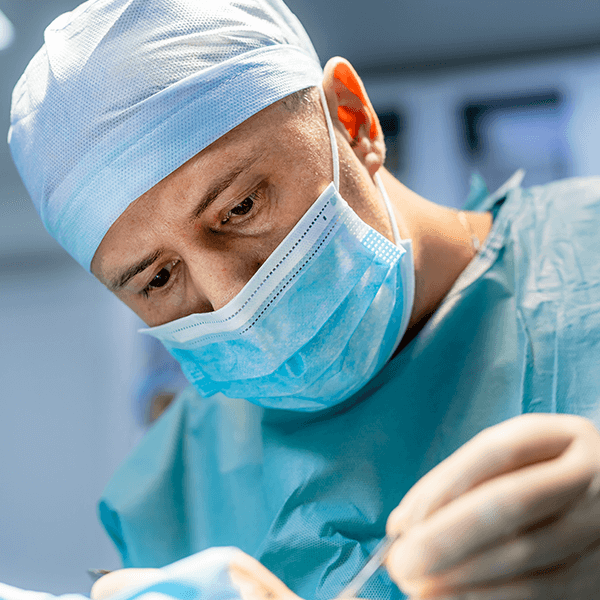
After incisions are made, the skin is detached from the underlying tissues and muscles. Your surgeon will reposition the deeper facial tissues, remove excess fat, and eliminate jowls. The excess skin is removed and the remaining skin is redraped over the newly repositioned facial tissues.
Incision patterns vary depending on the extent of lift necessary. Traditional facelift incisions begin at the temples, continue around the ears, and end in the lower scalp. Incisions are carefully placed to be concealed within the hairline and natural contours of the face and ear.
What to expect after your face lift surgery
Your face will be covered with bandages. You may have drainage tubes which will be removed within a few days. Some pain, swelling and bruising is normal. Stitches are typically removed after one week.
Swelling and bruising will gradually disappear. Most patients can return to work and normal activities within 2 weeks. Continue to avoid strenuous activities and direct sun exposure.
You can gradually resume exercise and strenuous activities. Scars will begin to fade and become less noticeable. Final results continue to develop over the following months.
As with any surgery, face lift carries some risks